Get to Know the Lambertville Police
This blog post can be sponsored by you. Display your link and message here to be seen by local residents and Lambertville area visitors—permanently.
In the span of two hours we answered an emergency call, patrolled the neighborhood, and conducted a traffic stop.
It was a warm, sunny day in August when I arrived a the Lambertville Police Station for a scheduled ride-along with Lambertville’s chief law enforcement officer: Police Lieutenant, Robert Brown.
After some required paperwork, we went out to the parking lot and climbed inside a very clean, new-smelling police cruiser. A tiny, black and white spider walked along the edge of my open window. I tried to guide it outside with my finger, but it jumped onto the floor, and disappeared under my seat.
Meanwhile, Lieutenant Brown was pressing buttons. The front of a police car has a lot of technology: CB radio, laptop computer, radar gun, etc. He set a small electronic device into a mounted holder between us, and explained that he was syncing his body camera with the vehicle, because we weren’t in his usual car.
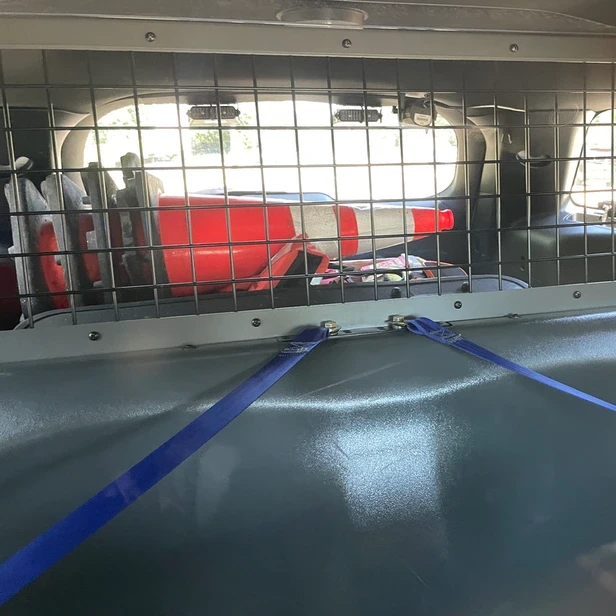
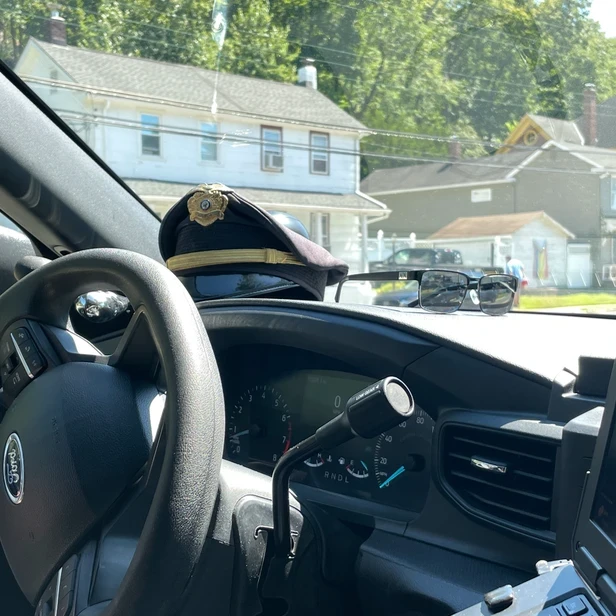
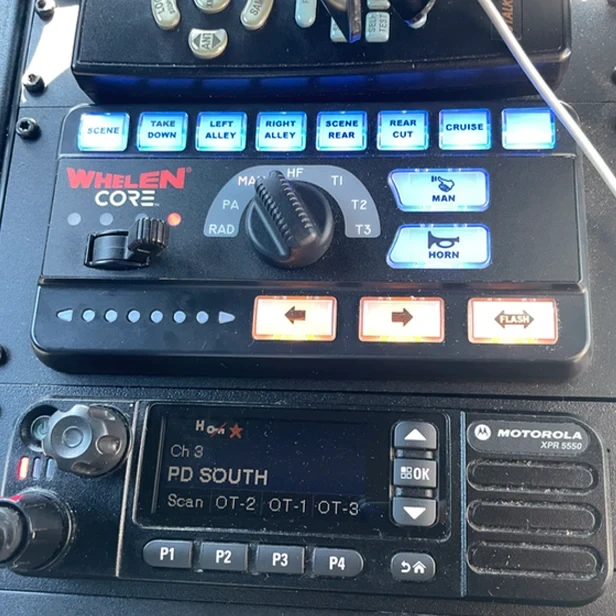

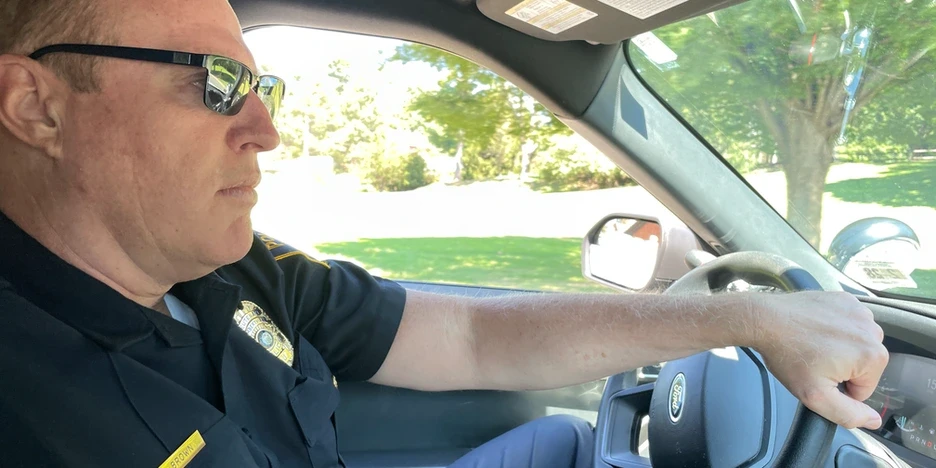
As soon as we were on the street, Lieutenant Brown became surprisingly chatty. I had anticipated having to pry answers out of him, but he was very friendly.
His mother is from New Hope. His father grew up in Lambertville and worked as a police special—a job that Lieutenant Brown remembers his father enjoying. He told me about how Lambertville used to be a laboring town, and that he was at the very first ShadFest, which had more attendees than today’s ShadFest.
C is for ‘Community’
Lieutenant Brown is not someone who just shows up, collects a paycheck, and goes home. He was born and raised in Lambertville. He’s known he wanted to be a police officer since he was sixteen. He was an EMT (still has his credentials) and he has worked as a Lambertville police officer for the past thirty years.
One of the great things about Lambertville is that you can know the coffee shop owner, the mayor, the teacher, the chocolatier, the city council, the art gallerist, the mechanic, the city clerk, and the police lieutenant—all on a first-name basis.
O is for ‘On the Scene’
A call came over the radio: someone’s C02 alarm went off. Lieutenant Brown picked up the CB microphone, held it at the corner of his mouth, and said, “Seventeen fourteen is on the scene.”
We headed over to check it out. Lieutenant Brown knows his way around town so we easily avoided the traffic on Bridge Street, which meant he didn’t have to turn on the sirens to get to the address quickly. A fire truck was already there.
I walked with Brown towards the house, but I stayed back on the sidewalk as he and several firefighters entered the property and disappeared behind a fence.
Dogs barked and heads turned. A neighbor came out and stood in their front yard. As I waited, I thought about how the 911 emergency system is made up of teams of people who all work together for the greater good of saving lives. A few minutes passed before the men emerged from behind the fence.
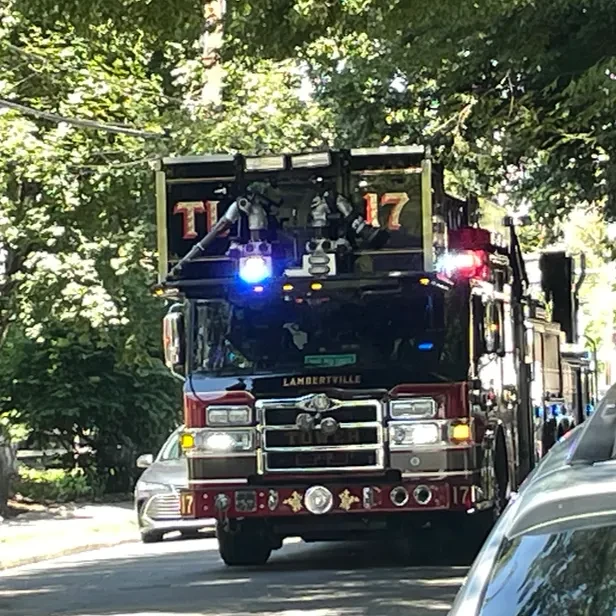
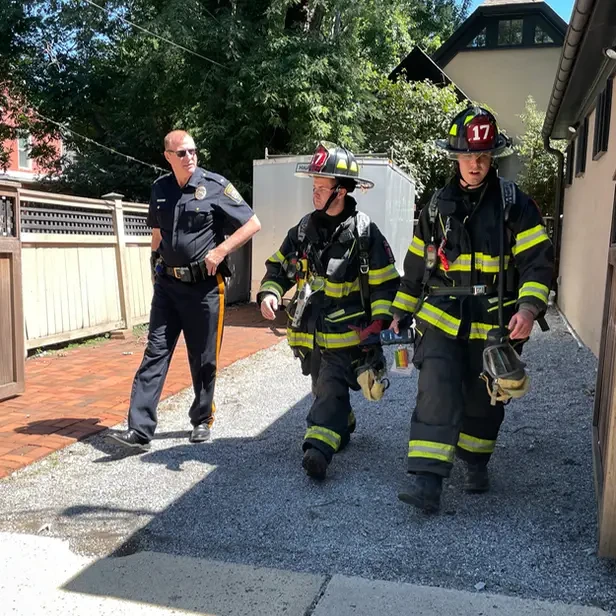
It was a false alarm. A person changed the batteries on their C02 detector, which alerted the monitoring company, who in turn called local emergency.
Patrolling the neighborhood in broad daylight for one afternoon was fun and exciting for me, but I imagined how grueling the job of a law enforcement officer could become. Police have manual overtime, which means officers might have to stay on for a second shift if there is a need. Add in extreme weather, drunk people, or a natural emergency, and things could get very challenging.
P is for ‘Paperwork’
Calls generate reports. Reports are checks and balances. Police, like doctors, keep records of everything, and Lambertville has kept reports for 30 years.
When someone calls 911, their information gets stored. If someone loses a phone or wallet, that requires a report, which means paperwork. Modern police are expected to provide more services as they deal with white collar crimes such as identity theft and email scams. Documentation takes time.
Lieutenant Brown talked about a construction scam that happened in town. It started out as a $10k job, then escalated to $20k, and then to $30k. When Lieutenant Brown saw the work order, he knew something was odd. The contractor said the city engineer required a whole chimney replacement, but Brown knew the Lambertville city engineer doesn’t handle residential work.
It turned out the scammer was scamming people nation-wide, and the Feds caught the perpetrator at JFK airport just as he was about to get on a flight back to Ireland. Unfortunately, the victims likely won’t get their money back.
Nowadays, it’s more and more common that people have Amazon packages stolen off their front porch. Videos from at-home doorbell cameras can serve as evidence, but the police have to review them, which takes time and expertise.
When Lieutenant Brown started out, police had dash cams and VHS tapes in the trunk. Today, officers wear body cameras. Cameras, however, have a cost factor. Cloud storage is expensive. Lambertville’s current system costs around $64k for 5 years. Body-worn and in-car camera footage sometimes needs to be redacted.
“If you want to stay in this job you’ve got to change with the times,” Lieutenant Brown said. “You have to stay up with it or you get left behind.”
In New Jersey, officers can shop around for the best employment package. Pay is part of what retains officers, but work environment has an impact too. Police officers who stay in town get to the know the place, and the people. Lieutenant Brown wants to keep his team here, because officer retention saves lives.
“When one person fails, we all fail,” he said. “When police fail, someone’s life can be at risk, so it’s important our administration in Lambertville has an open dialogue all the time.”
S is for ‘Stories’
We were sitting in the police car, parked on the Route 29 median, near Mt. Hope Street, when I asked to hear some stories from his time in law enforcement.
At the start of his career, Lieutenant Brown performed several DUI arrests. The individuals he arrested later came to him and said, “You saved my life,” because it was a turning point that led them towards sobriety. That feedback helped Brown feel that he was doing the right thing when enforcing the law.
One time he was called to a break-in on Delevan at 2 o’clock in the morning. When he arrived, a drunk man was standing in the middle of the street with a hammer in his hand. The suspect had broken the window of a house while the owner was inside. When Brown arrived, the suspect ripped off his own shirt and lunged. Brown had to fight the man to the ground to make the arrest.
As difficult as that sounds, Lieutenant Brown said one of the toughest times he’s ever experienced as an officer in town was in the aftermath of Hurricane Ida.
He was describing how emotionally and professionally difficult it was to process the hurricane’s damage when I was suddenly smushed into my seat, because he put the car in drive and quickly pulled onto Route 29.
“39 in a 25 zone,” he said in a monotone, “We’re gonna stop that car right there.”
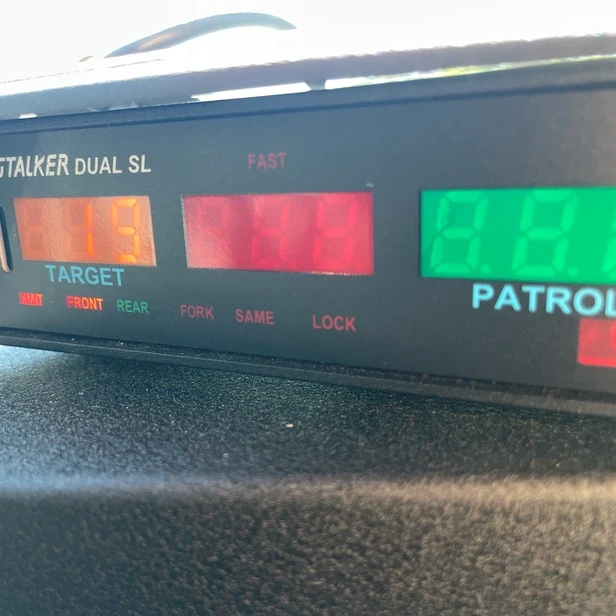
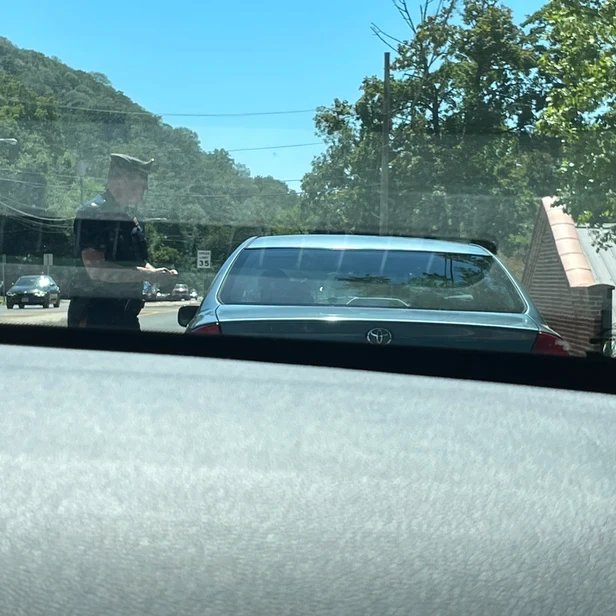
The lights lit up, the cameras turned on, and we pulled up behind a blue Toyota. Lieutenant Brown wasn’t phased—he’d done it a thousand times before. The car was speeding through the new, 25 MPH speed zone that City Council, police, and community members agreed to create so to protect everyone’s safety.
When Lieutenant Brown returned to the car, he sat with a pen and manually wrote the citation on a small notepad of yellow tickets. He said maybe one day Lambertville will move to an e-ticket system, but they have to pick and choose what they use budget money for, and e-tickets haven't been a priority as of yet.
Say Hello
In a small town like Lambertville, getting to know (y)our local police is not difficult to do. Communicating with local officers helps them to know us too.
For example, if a strange, parked car causes concern at night, the police might be able to say, “That’s just so-in-so’s car. They’re working a late shift right now.”
Officers observe patterns. They’ve seen you walking your dog when you get home from work, just like you’ve seen them when you’re out and about.
Lieutenant Brown grew up here. He serves on the Lambertville Human Rights Committee. He cares about our community. He’s friendly and approachable.
What’s more, Lambertville police officers don’t cover their faces with masks. They’re trained professionals who patrol our town to protect and serve local residents. They constantly communicate with City Council to make decisions about how police funds are spent, and to determine the department’s priorities.
Saying hello to local law enforcement helps retain officers, but it ultimately saves lives. After all, who are you gonna call when a drunk intruder tries to break through your kitchen window with with a hammer at 2 o’clock in the morning?