Changes are Coming to Coryell Street

Coryell’s quiet corner by the canal is about to become very different. Attend the May 8th meeting to see what’s to come.
For well over 50 years, customers have strolled down Coryell Street to shop at Finkles Hardware store. Before it was a store, it was just Joe Finkle, a Russian immigrant leading a horse-drawn junk buggy around Lambertville. He eventually opened a scrap yard, which became a store, and ultimately a hardware store.
Finkles was a bit like a NYC bodega, but for hardware. People would drop in to have a key cut, get a few screws, find a tool, get some paint. In a town filled with old houses, having a local and walkable hardware store was a godsend.
Inside was a labyrinth of hooks, nails, screws, pipes, tools, ropes, cables, chains, paints, stains, locks, knobs, ducts, signs, flags, tiles, and a wide variety of esoteric doohickies, some of which you couldn’t find anywhere else.
“Finkles will have it,” was a common refrain among folks who shopped there.
You could walk in, show them a thingamajig, and ask if they had a replacement. They’d disappear with it, and miraculously return with a new one.
If you were lucky, the staff would let you follow them as they wandered the catacombs, or across the street into one of several warehouses, so you could look for yourself in the area where they last saw those particular thingamajigs.
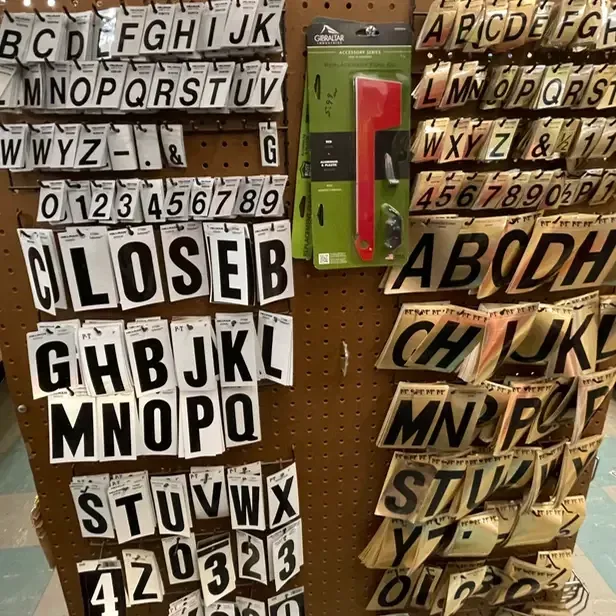
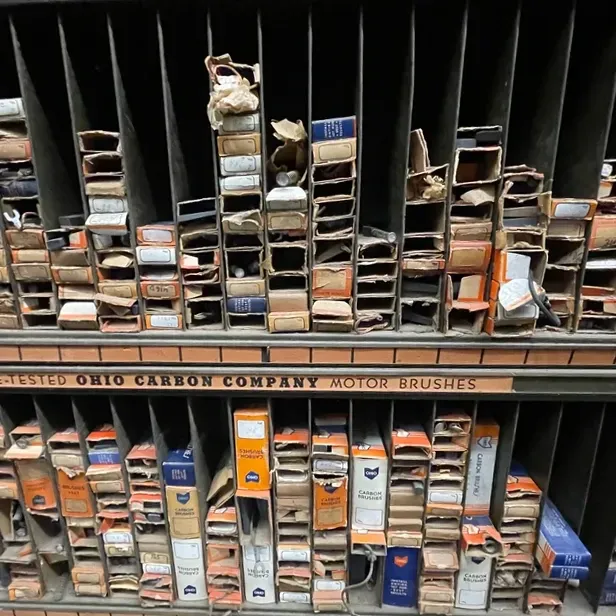
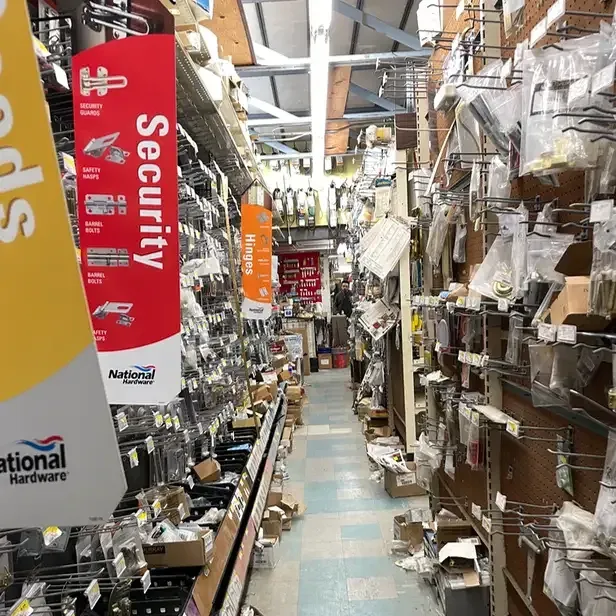

inside Finkles Hardware Store
Finkles wasn’t just a business; it was a part of the neighborhood. Clients were regulars, and neighbors. The store acted as a hub for the community. If you saw a neighbor there, you knew they were up to something, and maybe you’d help.
The staff knew how your project was going, because they’d genuinely ask after you, and the owners could potentially answer questions about your old house, because they probably helped the previous resident with repairs.
After working in the store since 1990, Rachel Finkle accepted an offer when she was approached—out of the blue—about selling her properties. She kept the business going for a few years as a lessee, renting her retail space from the new owners. When the new owners raised to rent too high, Finkles held a going-out-of-business sale and auction in 2024, and then closed forever in early 2025.
The Strained Theater
Across the street from the hardware store, and next to the building that housed Finkles lighting store, was The Strand Theater. Remnants of the old movie house, which opened in 1915, could still be seen on the building’s facade long after the venue closed due to a fire that gutted it out of business in 1969.
Finkles used the theater’s 5,000-square-foot shell as a warehouse until 2021 when the structure was sold to local artist and resident, Kelly Sullivan.
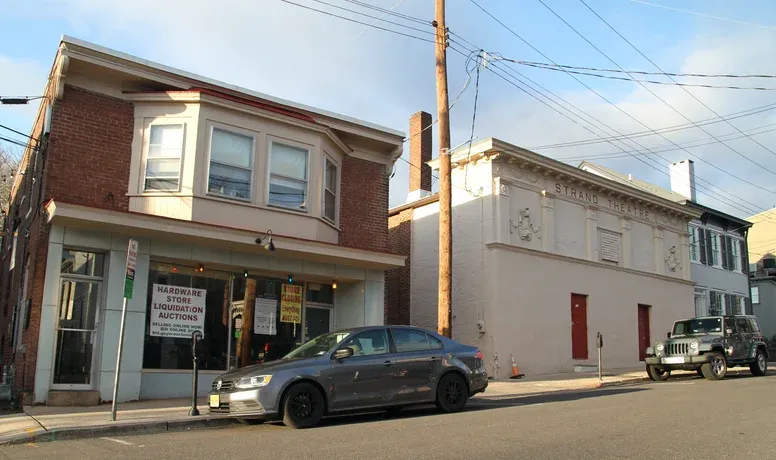
Sullivan planned to turn the historic movie house into an arts venue. Her vision included a street-facing art gallery, a conference area for hosting corporate and client meetings, a performance space with dressing rooms, and a live/work apartment in the back that would house her own personal painting studio.
The project was supported by local government and residents alike. Finkles moved their stuff out of the space, and restoration began. People were excited.
But there was a hiccup. The theater needed fire exits, which historically spilled into the ally between it and the property next door. Sullivan said the neighbor changed the ally’s gate code, and then filed a lawsuit for adverse possession.
Money Sullivan planned to use for renovations started sinking into legal fees. When the cost estimate hit $400,000, Sullivan gave up and sold The Strand.
“I believe the new owner has an interest in maintaining the assembly zoning,” Sullivan wrote in a 2023 Facebook post, “and I hope that some of the artful things we had planned might still find their way into production at the Strand in some way down the line. At the very least, he has the resources to save the integrity of the building, and I believe he will.”
Cha Cha Cha Changes
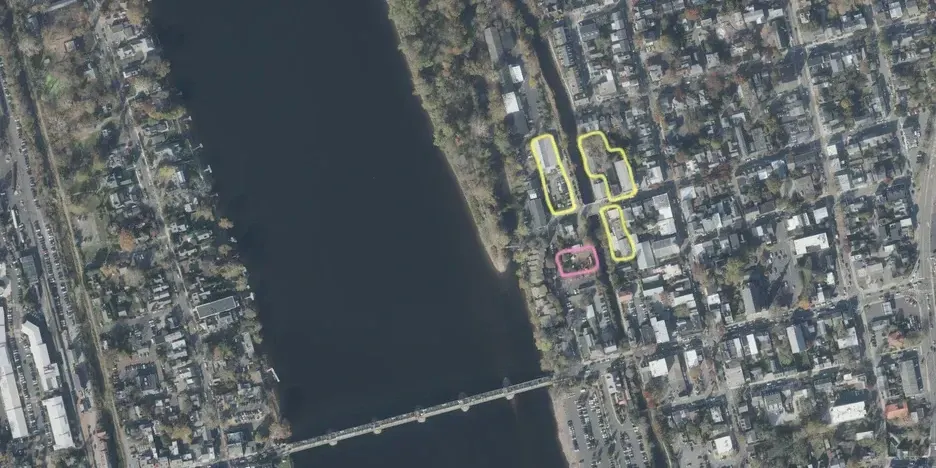
Finkles sold the hardware store, the lighting shop across the street, the Strand Theater next door, the warehouse across the canal, and a vacant lot on Lambert Lane (where a local resident plans to build at least two four-story townhomes).
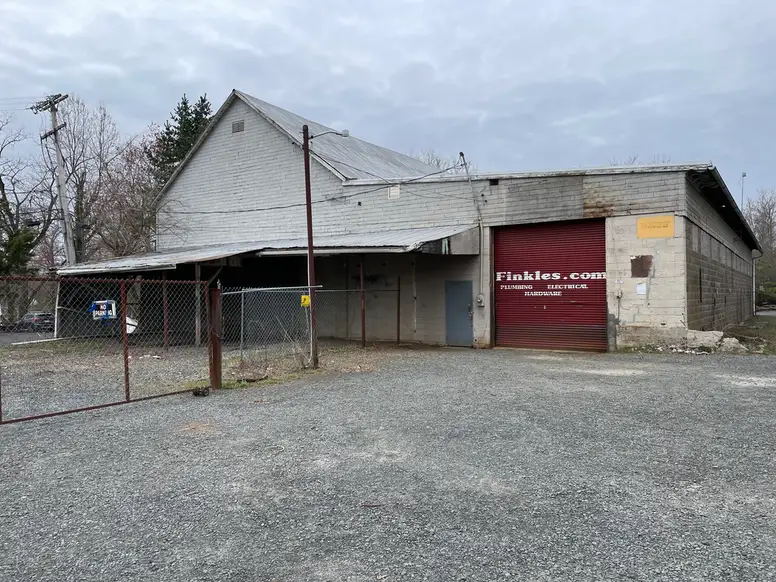
News travels fast in a small town, and Lambertville is tiny. After Finkle’s closed, residents voiced concern that this side of the river will become like New Hope.
No official proposals have been submitted to the city just yet, but it has been confirmed that neighbors were contacted about the plans: Finkles hardware might become a boutique hotel, the warehouse may be turned into a multi-level parking garage, and The Strand building could become a wedding venue.
“I believe the new owner has an interest in maintaining the assembly zoning...”Kelly Sullivan, former owner of The Strand
If you want to get an idea about the kind of development that is coming to the entire west end of Coryell Street, attend the upcoming information meeting.
Ron Gorodesky, Founder and CEO of Refined Hospitality, will present the site’s concepts and drawings in an informal manor (meaning the plans are still ideas).
Refined Hospitality owns, operates, and/or manages several luxury hotels, restaurants, and spas, including Roof, and River House at Odette’s in New Hope.
Refined Hospitality, together with Trax Partners and Brickstone Realty, acquired the Boat House and the former Hamilton Grill building, where Refined Hospitality recently opened Revolution Woodfire Dining.
The information meeting is scheduled for 7pm on Thursday, May 8th at ACME.